
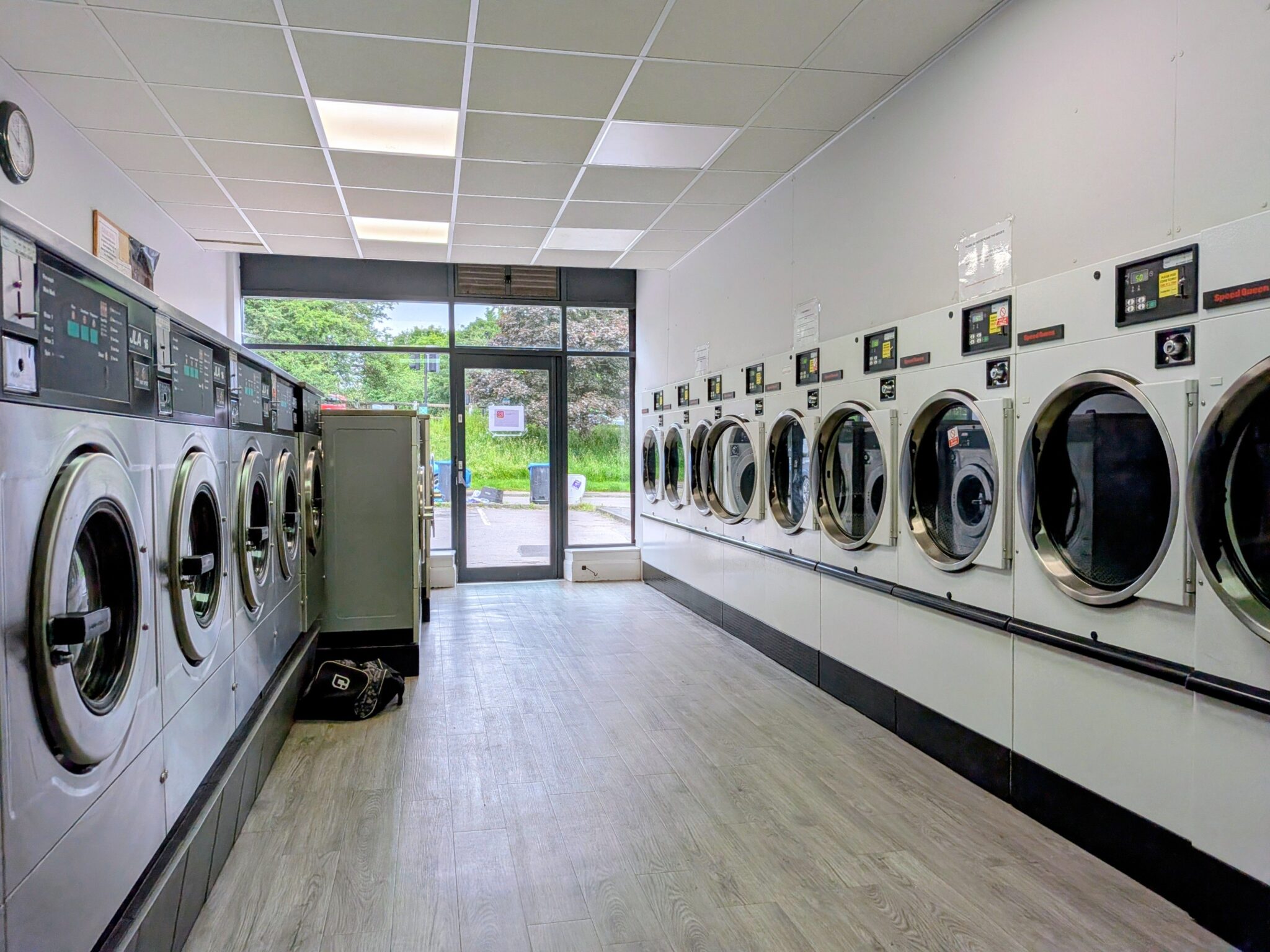

Most laundrette owners reach the decision to sell gradually. The business has been ticking along, the machines are getting older, the lease renewal is coming up or life circumstances have simply changed. Whatever the reason, the temptation is to contact a broker, put a price on it and see what happens.
That approach rarely produces the best outcome. Laundrettes that go to market without preparation tend to attract lower offers, take longer to sell and give buyers more ammunition to negotiate the price down during due diligence. The ones that sell well and complete cleanly are almost always the ones where the owner took a few deliberate steps before the process started.
This guide sets out what those steps are and why each one matters.
Ready to Sell Your Laundrette Business in the UK?
Get expert support with valuation, marketing, due diligence and negotiations so you can sell your laundrette business quickly and for maximum value.
Understand what your laundrette is actually worth before you set a price
The first step is not picking a number. It is understanding what the business is genuinely worth to a buyer and why.
Laundrette valuations are driven by maintainable earnings, equipment condition, lease quality and local trading position. Two laundrettes with identical weekly takings can have very different values if one has modern machines, ten years left on the lease and low utility costs, while the other has ageing equipment, three years remaining and a rent review due imminently.
Sellers who set a price based on what they would like to receive, or on what they think the business has been worth to them over the years, often find that buyers do not share that view. An asking price that cannot be defended by the trading evidence and the asset position creates friction from the first conversation and tends to result in either a long time on market or a significant reduction later.
Getting a realistic valuation from a specialist broker before going to market is not defeatist. It is the difference between pricing confidently and pricing optimistically. Confident pricing attracts buyers who are ready to proceed. Optimistic pricing attracts curiosity that does not convert.
Get your revenue evidence in order
Revenue evidencing is the most common sticking point in laundrette sales. Cash-based businesses are harder to verify than those with clean card payment records, and buyers know this. So do lenders who are financing the purchase.
The goal is not to produce perfect accounts if you do not have them. The goal is to produce credible, consistent evidence that supports the revenue figure you are presenting.
Useful evidence includes:
- Bank statements showing cash lodgements that are consistent with the income claimed
- Till records or token machine records where these exist
- Card payment records if any part of the business operates on card
- Water and electricity bills, which correlate directly with machine usage and provide independent corroboration of trading volumes
- Machine cycle counters on modern equipment
- Any commercial account records showing income from service washes or business customers
Prepare at least three years of accounts or tax returns alongside a simple monthly revenue summary for the most recent 24 months. If your records are thin in some areas, identify the corroborating evidence that fills the gap and have it ready before buyers ask for it.
Buyers who have to dig for revenue evidence become cautious buyers. Buyers who receive it clearly and early become confident ones.
Assess your equipment honestly
Equipment is not just an asset in a laundrette sale. It is the business. Without functioning, reliable machines the site has no income, and buyers will assess the equipment position with that in mind.
Before going to market, carry out an honest assessment of every machine on site.
Ask yourself:
- How old is each machine and where is it in its expected service life?
- When was it last serviced and is the service record documented?
- Are there any recurring faults, known issues or parts that have been patched rather than properly repaired?
- Is it owned outright, subject to a lease or hire purchase agreement, or still under a maintenance contract?
- If a buyer asked about this machine on day one, would the answer give them confidence or concern?
Outstanding finance on equipment needs to be identified early. Any hire purchase balances or equipment lease obligations will need to be settled or transferred as part of the sale, and they affect the net proceeds the seller receives. Finding this out late causes delays and sometimes surprises that damage trust with a buyer who thought the position was clear.
If there are machines that are genuinely at end of life, consider your options honestly. Replacing them before sale is one option. Adjusting the asking price to reflect the investment required is another. What does not work is presenting equipment as being in better condition than it is, because buyers will inspect and the truth will surface during due diligence.
A laundrette with a clean, documented equipment history is significantly easier to sell than one where the maintenance record is incomplete or verbal.
Review your lease before anyone else does
The lease is the foundation of a laundrette sale. Without a secure and assignable lease, there is no business to sell regardless of how strong the trading performance is. Buyers cannot build a payback model on a site they might have to vacate in three years. Lenders will not finance a purchase on a lease that does not give them sufficient security.
Before going to market, pull out your lease and review the key terms. You do not need to be a solicitor to understand the basics, and knowing them will make every conversation with a buyer more confident.
The things that matter most are:
- How many years remain on the lease, and whether there is an option to renew
- When the next rent review falls and how the review is calculated
- What the repair and dilapidations obligations are, particularly relevant given the wear that heavy equipment places on a premises
- Whether the lease can be assigned to a buyer and what the landlord’s consent process looks like
- Whether there are any restrictions on use, alterations or the type of equipment that can be operated on the premises
If the lease term is short, the most valuable thing you can do before going to market is open a conversation with your landlord about a renewal or extension. You do not need to complete a renewal before selling. But having a renewal in progress, with a landlord who is engaged and cooperative, is materially better than presenting a buyer with a short lease and no visibility on what happens next.
If you are not certain about any of the lease terms or what they mean in practice, take legal advice before the marketing process begins. Discovering a problem with the lease during due diligence is far more disruptive than understanding it in advance and either resolving it or disclosing it clearly upfront.
Get your utility costs under control and documented
Utilities are a major cost line in any laundrette and buyers will scrutinise them carefully. High water and electricity costs that have been left unmanaged will affect both the profit figure the business presents and the buyer’s confidence in the sustainability of the model.
Before going to market:
- Pull together at least three years of utility bills for water, electricity and gas where applicable
- Understand your current tariff position and when any fixed-rate contracts expire
- Consider whether you are on the best available tariff or whether there are savings available
- Review whether any energy efficiency improvements are achievable on the equipment or premises without significant capital expenditure
Utility costs also serve a secondary purpose in a laundrette sale. Because cash revenue can be difficult to verify directly, consumption patterns in water and electricity bills provide independent corroboration of trading volumes. A seller who can show a consistent relationship between revenue and utility consumption gives a buyer a layer of confidence that goes beyond the accounts alone.
Think about how the business runs day to day
Buyers want to understand what they are actually buying into operationally. A laundrette that runs smoothly, whether attended or unattended, with a clear routine for maintenance, cash handling, cleaning and customer management, is easier to take over than one where everything lives in the owner’s head.
Before going to market, spend some time documenting how the business actually operates.
This does not need to be a lengthy manual. It needs to cover:
- Opening and closing procedures
- Cash handling and banking routine
- Machine monitoring and fault response process
- Cleaning schedule and standards
- Relationship with any service or maintenance contractor
- How commercial accounts or service wash customers are managed if applicable
- Any supplier relationships relevant to consumables or equipment
For buyers who are entering the sector for the first time, this kind of operational clarity is reassuring. For buyers who already operate laundrettes, it signals that the business has been run properly and that the transition will be straightforward.
If you employ a part-time attendant, make sure their role, hours and pay are documented. Buyers will want to understand the staffing model and whether the current arrangement is sustainable and transferable.
Consider the timing of your sale
Timing a laundrette sale well is not about waiting for a perfect moment that may never come. It is about avoiding moments that will actively work against you.
Going to market with a lease that has just entered its final two years, with machines that are overdue a service or during a period when your revenue records are disrupted, makes the process harder than it needs to be.
The best time to sell is when:
- The lease has reasonable time remaining or a renewal is agreed or in progress
- The equipment is in good working order and the service history is current
- The financial records show a consistent and recent trading pattern
- Utility costs are documented and under control
- You have the time and headspace to engage properly with buyers during the process
If none of those conditions are currently in place, identify which ones you can improve before going to market and focus on those first. Even modest preparation in the right areas can meaningfully affect both the price you achieve and how smoothly the sale completes.
Instruct a specialist broker
A laundrette is not a business that every broker understands well. The valuation methodology, the buyer types, the lease considerations and the revenue evidencing challenges are all specific enough that a generalist approach tends to produce generalist results.
A broker who sells businesses like yours regularly will know who the active buyers are, what they are looking for and what questions they will ask. They will also be able to position your business accurately in the market and manage the confidentiality of the process so that staff, customers and competitors are not aware the business is for sale before you are ready.
The preparation steps above will make your broker’s job easier and your sale faster. But the broker you choose also matters. Take time to understand their experience with similar businesses before you instruct them.
A practical pre-sale checklist
Use this before you go to market.
Financial and revenue
- Three years accounts or tax returns prepared
- Monthly revenue summary for 24 months with corroborating evidence
- Bank statements showing consistent cash lodgements
- Utility bills for three years organised and ready
- Any commercial account or service wash income documented separately
Equipment
- Full equipment list with age, capacity and condition notes
- Servicing and maintenance records compiled
- Ownership status confirmed and any outstanding finance identified
- Known issues or upcoming maintenance needs noted honestly
Premises and lease
- Lease documents located and key terms understood
- Rent, review dates, repair obligations and assignment provisions summarised
- Landlord relationship assessed and renewal conversation started if needed
- Any restrictions on use or known property issues identified
Operations
- Day-to-day operating procedures documented
- Staffing model and any employment arrangements confirmed
- Supplier and contractor relationships listed
- Cash handling and banking routine explained clearly
Final thoughts
Selling a laundrette is a straightforward transaction when the business is prepared properly. The owners who get the best outcomes are the ones who took the time to understand their own business before asking buyers to understand it for them.
The steps above are not complicated. They do not require significant investment or months of work. They require honesty about where the business stands and a willingness to organise what already exists before it is tested by a buyer’s due diligence process.
Start with the lease, the equipment and the revenue evidence. Everything else builds from there.
Sources
UK Government, Introduction to business rates: how your rates are calculated (rateable value basis):
https://www.gov.uk/introduction-to-business-rates/how-your-rates-are-calculated
UK Government, Workplace fire safety: fire risk assessments (duty to carry out, review and record):
https://www.gov.uk/workplace-fire-safety-your-responsibilities/fire-risk-assessments
UK Government, TUPE: a guide to the regulations (employee transfer obligations on business sale):
https://www.gov.uk/transfers-takeovers
UK Government, Energy performance certificates for businesses (EPC requirements and energy efficiency):
https://www.gov.uk/energy-performance-certificate-commercial-property