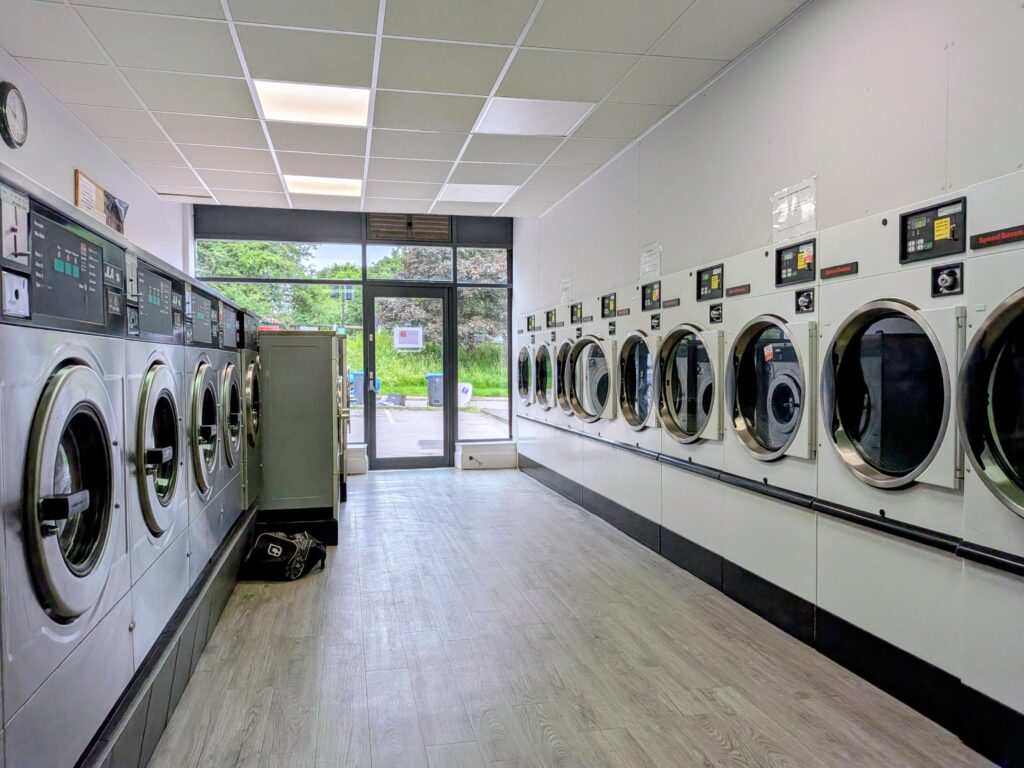
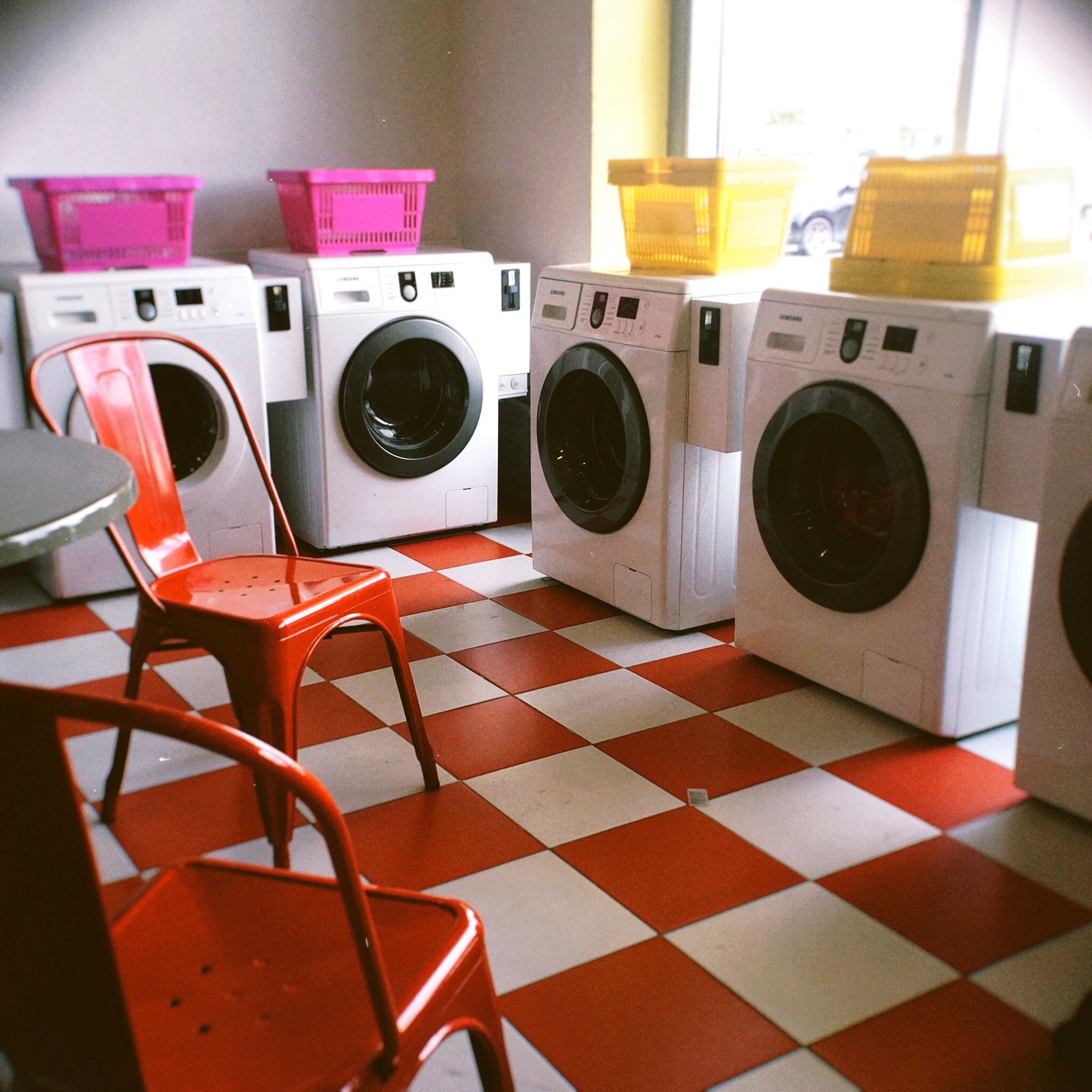

Laundrettes are often underestimated as businesses. They are not glamorous, but they are resilient. Demand is steady, the customer base is local and the revenue model is simple. Cash in, service delivered, repeat. When a laundrette is run well and the equipment is maintained, it can generate a reliable income with relatively low staffing overhead compared to many other businesses of a similar size.
But selling a laundrette has its own set of challenges. The business is heavily equipment dependent. Lease terms can be tight. Revenue is often cash-based in a way that makes financial records harder to evidence cleanly. And the buyer pool, while genuine, is more specific than for many other business types.
This guide covers what drives value in a laundrette, how to prepare properly and how to find the right buyer for your business.
Ready to Sell Your Laundrette Business in the UK?
Get expert support with valuation, marketing, due diligence and negotiations so you can sell your laundrette business quickly and for maximum value.
What makes a laundrette valuable
Laundrette valuations are driven by a combination of maintainable earnings, equipment condition, lease terms and the strength of the local trading position. A buyer is not just buying a profit figure. They are buying a site, a set of machines and a customer base that has chosen to use that particular laundrette consistently.
The factors that support a stronger valuation include:
- Consistent and evidenced revenue with a clear trading pattern
- Equipment that is modern, well-maintained and within its expected service life
- A lease with reasonable terms, sufficient time remaining and no onerous conditions
- A strong local position with limited direct competition
- Low staffing overhead, or a reliable part-time attendant model that is easy to continue
- Additional services that add revenue without adding significant cost, such as service washes, dry cleaning agency or commercial laundry contracts
The factors that reduce value or generate buyer concern include:
- Revenue that is difficult to evidence cleanly due to cash handling practices
- Equipment that is ageing, frequently breaking down or approaching end of life
- A lease that is short, has an imminent rent review or has onerous repair obligations
- High utility costs that have not been managed or cannot be reduced
- A location that has seen demographic change or increased competition
Understanding where your laundrette sits against those factors is the starting point for any realistic valuation conversation.
How laundrettes are valued in practice
Most laundrettes are valued on a multiple of maintainable earnings, with adjustments for equipment condition, lease quality and trading risk. The multiple applied tends to be lower than for more complex or staff-intensive businesses, reflecting the straightforward nature of the model but also the concentration of risk in the lease and equipment.
In practice, buyers will focus on three things simultaneously: what the business earns, what it will cost to keep it earning that, and what happens to the income if the lease is not renewed or the equipment fails.
A laundrette with strong earnings, modern equipment and a lease with ten or more years remaining will attract a materially different multiple to one with similar earnings but ageing machines and three years left on the lease. The numbers may look similar at first glance. The investment proposition is very different.
The other valuation factor specific to laundrettes is the treatment of equipment. Buyers will want to understand whether machines are owned outright, leased or subject to hire purchase agreements. Outstanding finance on equipment affects the net proceeds of any sale and needs to be factored in early.
Getting your financial records ready
Revenue evidencing is the most common challenge in laundrette sales. Cash-based businesses can be difficult to verify, and buyers know that. Lenders who are funding a buyer’s purchase will also scrutinise this carefully.
The goal is not perfection. It is credibility. Buyers understand that laundrettes are often cash businesses. What they need to see is that the revenue being presented is consistent, that it follows a logical pattern and that there is enough corroborating evidence to support the figures.
Useful supporting evidence includes:
- Till records, token or card payment data where applicable
- Utility consumption records, particularly water and electricity, which correlate with machine usage
- Machine cycle counters where available
- Bank statements showing cash lodgements that are consistent with the revenue claimed
- Any commercial accounts or service wash records that show additional income streams
Prepare at least three years of accounts or tax returns alongside current year trading figures. If management information is limited, a simple monthly revenue summary backed by bank statements and utility records can go a long way to establishing credibility with a buyer.
Equipment: condition, ownership and remaining life
Equipment is central to any laundrette sale. Buyers will assess it carefully and factor their findings directly into the price they are willing to pay and the terms they want.
Before going to market, prepare:
- A full equipment list with make, model, age and capacity for each machine
- Servicing and maintenance records showing how machines have been looked after
- Details of any outstanding repairs or known issues
- Confirmation of ownership status for each item, including any hire purchase or lease agreements and balances outstanding
- Any warranty documentation still in force
Buyers will typically want to inspect the equipment as part of their due diligence. A laundrette with clean, well-maintained machines and organised service records is far easier to buy than one where the maintenance history is unclear and breakdowns are frequent.
If there are machines that are approaching end of life, consider whether it is worth replacing them before sale. This is not always the right answer. In some cases, reducing the asking price to reflect the investment needed is simpler and more transparent. What matters is that the position is clear, not that everything is new.
Lease terms and why they matter so much
The lease is often the most important single factor in a laundrette sale. Without a secure lease, there is no business. Buyers know this and so do lenders.
Key lease considerations for sellers include:
- Lease term remaining and how much of that falls within a typical buyer’s payback period
- Rent level and how it compares to local market rates
- Rent review mechanism and when the next review falls
- Repair and dilapidations obligations, particularly for a business with heavy equipment use
- Assignment provisions and whether the landlord’s consent is required
- Any restrictions on use, alterations or subletting
- Break clauses, whether held by landlord or tenant
A lease with fewer than five years remaining will concern most buyers and most lenders. A lease with ten or more years at a reasonable rent is a genuine asset. If your lease is short, it is worth approaching the landlord about a renewal or extension before going to market. A lease renewal in progress, even if not yet completed, is better than a short lease with no discussion started.
Get your lease documents organised and be ready to provide a plain-English summary of the key terms. Buyers will instruct solicitors to review the lease in detail, but sellers who can explain the basics without hesitation create a more confident impression.
Utility costs and sustainability of the model
Laundrettes are utility-intensive businesses. Water, electricity and gas costs are not background overhead. They are central to the economics of the model.
Buyers will want to understand:
- Current annual costs for water, electricity and gas
- Whether tariffs are on fixed or variable contracts and when they expire
- Whether any energy efficiency improvements have been made to equipment or the premises
- How utility costs have moved over the last three years and whether the margin has been maintained
High utility costs that have been allowed to drift can significantly affect the attractiveness of the business. If there are obvious improvements available, addressing them before sale can improve both the profitability presented to buyers and their confidence in the sustainability of the model.
Additional revenue streams
Laundrettes with additional services beyond self-service machines tend to attract stronger buyer interest, because they demonstrate that the business is actively managed and that revenue is not entirely passive.
Common additions that add value include:
- Service wash offer, where staff handle washing on behalf of customers
- Dry cleaning agency, where garments are collected, sent to a specialist and returned
- Commercial laundry contracts with local businesses, care homes, hotels or similar
- Vending machines for detergent, softener and other consumables
- Parcel collection or other complementary services
If you offer any of these, make sure the revenue contribution of each is clearly documented. Buyers will want to understand the margin on each stream, not just the headline income.
Finding the right buyer
The buyer pool for laundrettes is genuine but specific. Buyers typically fall into one of a few categories.
Owner-operators looking for a manageable, relatively low-staffing business with steady income are the most common buyer type. Many are first-time buyers attracted by the simplicity of the model. They will want a smooth handover and a clear picture of how the day-to-day operation works.
Existing laundrette owners looking to expand to a second or third site are also active in the market. They tend to move faster, ask sharper questions and are less concerned about the learning curve. They are also often good buyers for sites in specific geographic areas where they already operate.
Investors looking for a semi-passive income stream are interested in laundrettes that can run with minimal owner involvement, typically where a part-time attendant model is already in place and the machines are modern enough to require limited reactive maintenance.
Reaching each of these buyer types requires different marketing approaches. A specialist broker with an active buyer register will have relationships across all three and will know who is looking and what they are looking for. That reach directly affects how quickly a sale completes and how competitive the offer level is.
Preparing for the sale process
The sale process for a laundrette follows the same broad stages as any business sale: preparation, marketing, heads of terms, due diligence and legal completion. The total timeline from decision to sell to completion is typically five to nine months for a well-prepared laundrette, though lease complications or equipment concerns can extend this.
A practical pre-sale checklist for laundrette sellers:
Financial
- Three years accounts or tax returns prepared
- Current year trading figures to the most recent month end
- Monthly revenue summary with corroborating evidence
- Utility cost history and current tariff details
- Any commercial account or service wash income documented separately
Equipment
- Full equipment list with age, capacity and condition
- Servicing and maintenance records organised
- Ownership status confirmed and any finance balances identified
- Known issues or upcoming maintenance needs disclosed
Premises
- Lease documents located and key terms understood
- Rent, review dates and repair obligations summarised
- Landlord consent requirements for assignment identified
- Any planned landlord works or known property issues disclosed
Operations
- Opening hours and staffing model documented
- Supplier relationships and any trade accounts identified
- Cash handling and revenue recording process explained clearly
- Any commercial contracts documented with terms and notice periods
Final thoughts
Selling a laundrette successfully comes down to three things: a realistic price based on what the business can actually evidence, a lease that gives a buyer confidence in the future of the site, and equipment that is in a condition a buyer can work with from day one.
Sellers who address all three before going to market tend to find buyers faster, negotiate from a stronger position and complete with fewer surprises. Sellers who leave those questions for buyers to discover tend to find that the answers come back as price reductions.
If you are thinking about selling, start with those three areas. Everything else follows from them.
Sources
UK Government, Introduction to business rates: how your rates are calculated (rateable value basis):
https://www.gov.uk/introduction-to-business-rates/how-your-rates-are-calculated
UK Government, Workplace fire safety: fire risk assessments (duty to carry out, review and record):
https://www.gov.uk/workplace-fire-safety-your-responsibilities/fire-risk-assessments
UK Government, TUPE: a guide to the regulations (employee transfer obligations on business sale):
https://www.gov.uk/transfers-takeovers
UK Government, Environmental permits for business activities (waste water and environmental obligations):
https://www.gov.uk/guidance/environmental-permits-for-business-activities
UK Government, Energy performance certificates for businesses (EPC requirements and energy efficiency):
https://www.gov.uk/energy-performance-certificate-commercial-property