
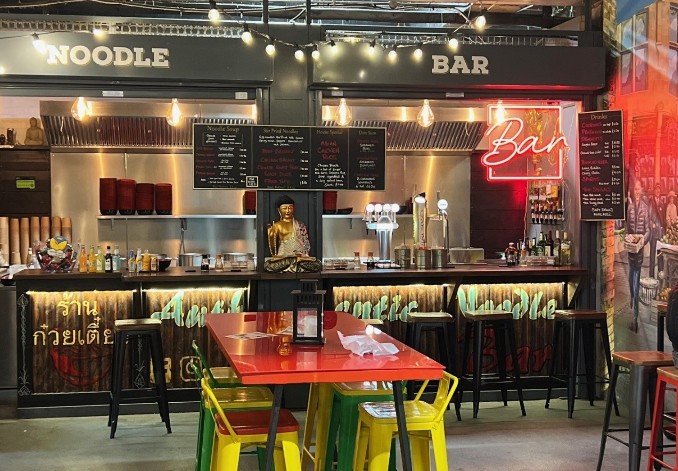
Selling a restaurant in the UK can be one of the most rewarding – yet complex – decisions a business owner makes. Whether you’re retiring, moving on to new ventures, or simply ready for a change, getting the right price and a smooth handover requires careful planning. In a market where buyer demand for profitable eateries remains strong, especially in cities like London, Manchester and Edinburgh, a well-prepared sale can deliver excellent returns.
This guide walks you through every stage of selling a restaurant in the UK, from preparation to completion, with practical, up-to-date advice tailored to current market conditions in 2025.
Why Timing Matters When Selling Your Restaurant
The UK hospitality sector has largely recovered from the pandemic challenges, but energy costs, staff shortages and changing consumer habits still influence valuations. Independent cafes, gastropubs and fine-dining venues continue to attract buyers, particularly those with strong turnover and a loyal local following.
Data from the Office for National Statistics shows food and beverage service activities grew by around 4% year-on-year in 2024–2025, and well-located restaurants with proven profitability are achieving 0.8–1.5 times annual turnover or 4–7 times net profit, depending on lease terms and location.
Selling at the right time – ideally when turnover is rising and accounts are in good shape – can add tens or even hundreds of thousands to your final price.
Step 1: Get Your Financial House in Order
Buyers and their accountants will scrutinise your numbers, so clean, accurate records are non-negotiable.
Key documents to prepare:
- Last three years’ full accounts (profit & loss, balance sheet)
- Up-to-date management accounts
- VAT returns
- PAYE and National Insurance records
- Current commercial energy performance certificate (EPC)
- Proof of compliance with food hygiene ratings (aim for 5 stars)
Consider having a professional accountant produce a short “vendor due diligence” pack. It speeds up the sale and builds buyer confidence.
Ready to Sell Your Restaurant in the UK?
Get expert support with valuation, marketing, due diligence and negotiations — so you can sell your restaurant quickly and for maximum value.
Start your selling journey →Step 2: Understand What You’re Actually Selling
In the UK, most restaurants trade from leased premises rather than freeholds.
Clarify early whether you are selling:
- The leasehold interest only (most common)
- A freehold property with the business
- A franchise operation
Lease details are critical. Buyers want at least 10–15 years remaining (or a realistic prospect of renewal under the Landlord and Tenant Act 1954). Highlight any favourable rent reviews or break clauses.
Step 3: Choose the Right Valuation Method
Restaurants are typically valued using two main approaches:
- Profit multiples – Adjusted net profit × 3–7 (higher multiples for prime locations or strong brands)
- Turnover multiples – 0.6–1.5 × annual turnover for leasehold businesses
Goodwill, fixtures & fittings, and equipment are added separately. A professional valuation from a specialist hospitality broker removes guesswork and helps set a realistic asking price.
Step 4: Decide How to Sell – Private Treaty, Confidential Marketing or Auction
Most UK restaurant sales are handled confidentially through specialist business transfer agents to avoid unsettling staff and customers.
Benefits of using an experienced broker:
- Wider reach to genuine buyers
- Qualified viewings only
- Expert negotiation
- Help with heads of terms and due diligence
If speed is essential, some owners opt for a targeted “off-market” approach to a select list of known operators.
Ready to get a free, no-obligation valuation? Visit Blacks Business Brokers – one of the UK’s leading specialists in hospitality sales – and request a callback today.
Step 5: Prepare the Business for Sale
First impressions count. Before marketing:
- Deep clean the premises (especially the kitchen – buyers always inspect)
- Repair or replace tired equipment
- Update any outdated décor within reason
- Ensure all licences are current (premises licence, alcohol licence, music licence)
- Train staff and document key procedures
A tidy, well-run restaurant photographs better and reassures buyers that they are inheriting a turnkey operation.
Step 6: Marketing Your Restaurant Effectively (and Discreetly)
Professional photographs, a detailed information memorandum, and targeted advertising on the major portals are essential.
Confidentiality agreements are standard before any sensitive financial information is released.
Step 7: Handling Viewings and Offers
Accompanied viewings during quiet periods (or outside trading hours) protect confidentiality. Be ready to answer detailed questions about trading patterns, supplier contracts, and staff retention.
When offers arrive, they should be in writing with proof of funds or finance. Your broker will negotiate on price, payment terms (including any deferred consideration), and what is included (stock, bookings, website, social media accounts).
Step 8: Legal Process and Completion
Once heads of terms are agreed:
- Buyer’s solicitor raises enquiries
- Landlord consent is obtained for lease assignment (or new lease if required)
- Stock valuation is carried out (usually at completion)
- TUPE regulations apply if staff transfer – full employee liability information must be provided
- Licences are transferred
Using solicitors experienced in hospitality transactions avoids costly delays. Expect 8–16 weeks from agreed heads of terms to completion.
Common Pitfalls to Avoid
- Overvaluing based on pre-pandemic figures
- Poor record-keeping leading to prolonged due diligence
- Failing to get landlord approval early
- Allowing staff or suppliers to learn of the sale prematurely
- Accepting the first offer without testing the market
Final Checklist Before You List
- Accounts for last three years + latest management accounts
- Current lease and rent review details
- All licences and food hygiene rating
- EPC certificate
- List of fixtures, fittings & equipment
- Staff rota and contracts
- Recent utility bills and rate demands
Selling a restaurant you’ve poured your heart into is emotional, but proper preparation almost always leads to a better outcome.
If you’re thinking of selling your restaurant, cafe, pub or takeaway anywhere in the UK, speak to the experts who understand the hospitality market inside out.
Contact Blacks Business Brokers today for a confidential, no-obligation discussion and free valuation.
Start the process here → https://www.blacksbrokers.com/selling/
Or if you’re curious about what businesses are currently available:
Browse restaurants for sale → https://www.blacksbrokers.com/buying/
With the right advice and timing, selling your restaurant can mark the successful end of one chapter – and the profitable beginning of the next.