
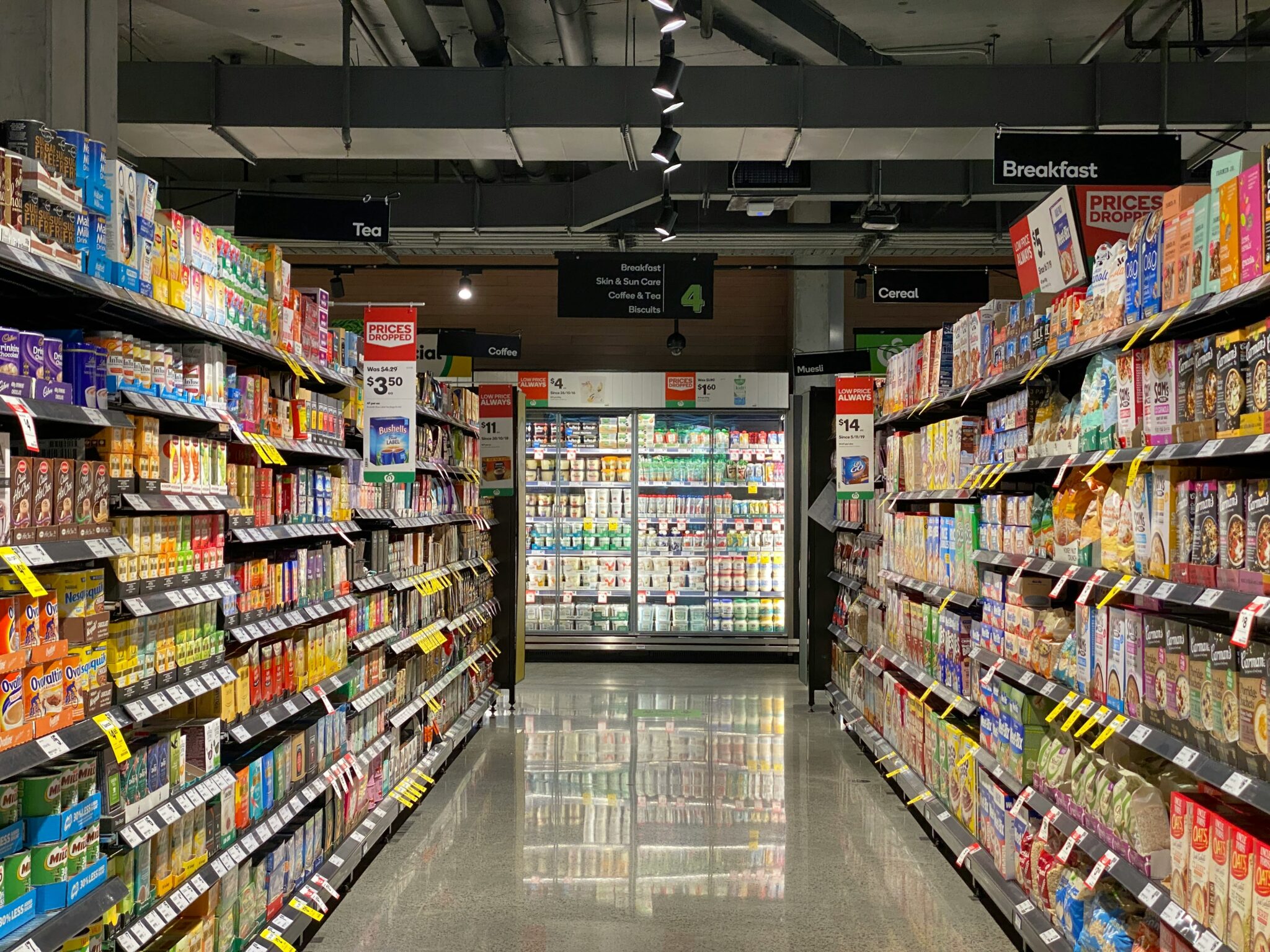

Selling a grocery store or corner shop is not just a case of finding someone who likes the look of the shelves.
A good buyer will look at the whole business. They will want to understand the takings, profit, lease, stock, staff, suppliers, local footfall, food hygiene position and how much the business depends on the current owner.
That is why preparation matters.
A corner shop can be a strong and attractive business to sell. Many offer daily essentials, repeat custom and a useful place in the local community. But buyers will still want clear evidence. They need to know what they are buying, how the shop makes money and whether that profit can continue after completion.
The best sale process starts before the business is formally on the market.
Start with a clear view of what you are selling
A grocery store is often more layered than it first appears.
It may sell food, alcohol, tobacco, newspapers, household goods, lottery products, parcel services, vaping products, frozen food or fresh produce. It may also offer bill payment services, cash machine access or local delivery.
That mix matters because buyers will want to know where the profit comes from. A shop with steady grocery margins, strong alcohol sales and useful service income will be viewed differently from one that relies heavily on low-margin lines or a few seasonal products.
Before going to market, it is worth taking a step back and looking at the business as a buyer would.
What are the strongest parts of the shop? What drives repeat custom? Is it location, pricing, range, opening hours, local loyalty or convenience? Are there products or services that could be expanded by a new owner?
A clear sale story helps the right buyer understand the opportunity. A vague one leaves them guessing.
Ready to Sell Your Grocery Store in the UK?
Get expert support with valuation, marketing, due diligence and negotiations so you can sell your grocery store quickly and for maximum value.
Get the financial picture in order
The accounts are one of the first things a buyer will review.
They will want to see turnover, gross profit, wages, rent, utilities, card fees, supplier costs and any owner benefits that need to be adjusted. If the business is owner-operated, they may also look at seller’s discretionary earnings or adjusted profit.
Clean records matter because grocery and corner shop businesses can involve many income streams. Cash, card, delivery app payments, lottery commissions, PayPoint-style services and supplier rebates all need to be easy to explain.
If the figures are unclear, buyers may become cautious. They may still like the shop, but they will struggle to justify the price if they cannot verify the earnings.
Useful information to prepare includes:
- annual accounts
- recent management figures
- VAT returns where applicable
- supplier invoices
- till reports
- card payment reports
- wage records
- utility bills
- stock value
- details of any commissions or service income
The aim is not to drown a buyer in paperwork. It is to show that the business is real, stable and properly recorded.
Understand what buyers will value
Buyers do not value a corner shop on turnover alone.
A busy shop with weak margins may be less attractive than a smaller shop with cleaner profit, a better lease and lower running costs. Buyers are usually looking for maintainable earnings. In plain English, they want to know what the shop is likely to make after they take over.
They will usually consider:
- trading history
- gross margin
- rent and lease terms
- staff costs
- utility costs
- local competition
- stock quality
- food hygiene and licensing
- owner involvement
- growth opportunities
- whether the buyer can finance the deal
The Association of Convenience Stores’ 2025 Local Shop Report said there were 50,486 convenience stores trading in the UK, with projected sales of £48.8 billion and employment across the sector of 443,000 people. That shows the size of the market, but it also shows why buyers compare individual shops carefully against local competition and wider sector pressures.
A buyer will not pay simply because convenience retail is a large sector. They will pay for a shop that can show reliable demand, clear profit and a sensible future.
Make sure the lease is sale-ready
For many grocery stores and corner shops, the lease can make or break the deal.
A buyer is unlikely to pay strongly for a shop if they cannot be confident about the premises. A short lease, high rent, difficult landlord or unclear assignment terms can all reduce buyer appetite.
Before going to market, review:
- remaining lease term
- rent and rent review dates
- repair obligations
- service charges
- permitted use
- assignment provisions
- landlord consent requirements
- any restrictions on alcohol, tobacco or opening hours
A shop can be profitable, but if the lease is weak, a buyer may still reduce their offer. They need enough security to recover their investment and run the business properly after completion.
If the lease has only a short time left, it may be worth taking advice before the sale begins. A stronger lease position can make the business easier to sell.
Stock needs to be handled properly
Stock is often a major part of a grocery shop sale.
The buyer will want to know what is included in the price and what is being valued separately. In many sales, stock is valued at completion, often at cost or another agreed basis.
This should be clear from the outset.
Old, slow-moving or damaged stock can cause tension. So can unclear stock records. A buyer will not want to pay full value for goods that are close to expiry, poorly stored or unlikely to sell.
Before going to market, it is worth reviewing the stock position. Remove dead stock where sensible, improve display standards and make sure stockholding levels are realistic.
A clean, well-managed shop gives a better impression. It also makes the handover smoother.
Food hygiene and compliance must be tidy
Food safety matters in any grocery or corner shop sale.
The Food Standards Agency says the Food Hygiene Rating Scheme helps consumers choose where to eat out or shop for food by giving clear information about hygiene standards. The scheme is run in partnership with local authorities in England, Wales and Northern Ireland.
For a buyer, this is not just a public-facing rating. It is part of due diligence.
They may ask about food hygiene records, staff training, temperature checks, pest control, cleaning schedules, allergen management and local authority inspections.
The FSA also provides “Safer food, better business for retailers”, a food safety management pack for small retail businesses that sell food, including small convenience stores, corner shops, confectioners, tobacconists and newsagents.
If records are tidy and the shop has a good hygiene position, that supports confidence. If records are missing, outdated or inconsistent, the buyer may worry about risk.
Compliance does not usually create a premium by itself. But poor compliance can certainly reduce value.
Licences and regulated products need care
Many corner shops sell alcohol, tobacco, lottery products or other regulated goods. These can be important parts of income, but they also add detail to the sale process.
Alcohol sales are especially important. A buyer will need to understand the premises licence, designated premises supervisor arrangements and any local conditions.
The transfer of a business does not mean every licence or agreement automatically moves without action. Some arrangements may need transfer, consent or new applications. Others may depend on the buyer’s own suitability.
This is an area where early preparation is useful. Do not leave licence questions until the end of the process.
A buyer who understands what is needed can plan properly. A buyer who discovers late problems may delay completion or try to renegotiate.
Think about the role of the owner
Many successful corner shops are built around the owner.
That can be a strength. Regular customers know the owner, suppliers trust them and staff may rely on them for daily decisions.
But in a sale, heavy owner involvement can also create risk.
A buyer will ask what happens when the owner leaves. Will customers stay? Can staff run the shop? Are supplier relationships transferable? Is pricing written down or held in the owner’s head?
This does not mean an owner-operated shop is hard to sell. Many buyers actively want a hands-on business they can step into. But the profit must be presented realistically.
If the owner works long hours but does not take a market wage, the buyer may adjust the figures. If family members help informally, that should also be explained.
A good seller is honest about the time the business takes. Buyers prefer clarity to surprises.
Staff can be a major selling point
A reliable team can make a corner shop much easier to sell.
Buyers like businesses that can continue trading smoothly after completion. If staff know the customers, understand the systems and are likely to stay, that reduces risk.
Before a sale, make sure staff records are in good order. That includes contracts, pay records, holiday records and job roles.
The National Living Wage and National Minimum Wage rates increased from 1 April 2026, with the National Living Wage for workers aged 21 and over rising to £12.71 per hour. For shop owners, wage costs are a key part of profitability and buyers will check whether staffing costs are realistic.
Confidentiality also matters. Staff should not usually be told about a sale too early unless there is a clear reason. Poorly managed communication can unsettle a business before a buyer is ready to complete.
Local demand is part of the value
A corner shop is usually a local business.
Its value depends heavily on the area around it. A strong location may include good footfall, nearby housing, schools, offices, transport routes or limited direct competition. A weaker location may need stronger evidence that the shop has a loyal and profitable customer base.
Buyers will look at:
- passing trade
- residential density
- nearby competitors
- parking and access
- opening hours
- customer loyalty
- local development
- delivery demand
- online reviews
The Office for National Statistics reported that retail sales volumes in Great Britain rose by 0.7% in March 2026 after falling by 0.6% in February 2026, while food store sales volumes fell by 0.8% on the month. This underlines the importance of looking at current trading patterns rather than assuming every food retail business is moving in the same direction.
National figures are useful context. But a buyer will always come back to the shop’s own area, numbers and reputation.
Prepare the business before going to market
A grocery store does not need to be perfect before it can be sold. It does need to be understandable.
Before launching the sale, focus on the areas that help buyers move with confidence:
- tidy accounts and recent trading figures
- clear stock position
- organised lease documents
- food hygiene records
- licence information
- supplier details
- staff records
- utility bills
- equipment list
- till and payment reports
- notes on services such as lottery, parcels or bill payments
It is also worth improving presentation. Clean shelves, clear pricing, tidy storage areas and a well-maintained shopfront all help create confidence.
These things may sound basic, but they matter. Buyers form an impression quickly. A shop that looks well run is easier to trust.
Choosing the right route to market
There are different ways to sell a grocery store or corner shop.
Some owners speak to a local competitor or someone they already know. Others use a broker to reach a wider pool of buyers while protecting confidentiality.
A controlled process is usually best. That means qualifying buyers before releasing sensitive information, making sure confidentiality is agreed and presenting the business properly from the start.
Working with a specialist business broker is a proactive step that places your sale in the hands of professionals who understand how buyers assess small businesses. The usual process includes a modest upfront engagement fee for preparation, marketing and buyer introduction, with the main success fee only payable on completion.
The aim is not just to find interest. It is to find a buyer who is credible, funded and capable of completing.
A high offer from the wrong buyer can waste months. A realistic offer from a serious buyer is often far more valuable.
Tax should be considered early
Tax planning should be handled before the sale process is too far advanced.
Business Asset Disposal Relief may reduce the Capital Gains Tax rate on qualifying disposals. GOV.UK states that qualifying gains are charged at 18% for disposals on or after 6 April 2026, following 14% for disposals between 6 April 2025 and 5 April 2026 and 10% for disposals on or before 5 April 2025.
Eligibility depends on the business, the ownership structure and the circumstances of the disposal. Owners should take professional tax advice early.
This is especially important where there is a limited company, family ownership, property ownership or a planned retirement.
What happens once a buyer is found?
Once a buyer is interested, the process usually moves through offer, negotiation, due diligence and completion.
The buyer will review the business information, ask questions and may need finance. Solicitors will then deal with the legal work. If the premises are leasehold, landlord consent may be needed for assignment or a new lease.
Due diligence may cover:
- accounts and VAT
- payroll and staff
- lease terms
- licences
- food hygiene records
- supplier arrangements
- equipment
- stock
- service agreements
- any debts or liabilities
This is where preparation pays off. If information is ready, the process can move steadily. If key documents are missing, the sale can slow down very quickly.
Final thoughts
Selling a grocery store or corner shop in the UK is a practical process, but it needs careful preparation.
Buyers want to understand the profit, the lease, the stock, the staff, the licences and the local demand. They also want to know whether the business can continue successfully after the current owner steps away.
The stronger and clearer the information, the easier it is to defend value.
A well-run corner shop can be an attractive opportunity. It may offer repeat local custom, daily need, community value and scope for a new owner to grow the business. But the buyer still needs evidence.
If you are thinking about selling, start by getting the business sale-ready. Tidy the records, review the lease, organise compliance documents and be clear about the profit.
That is what helps protect value and keep the sale moving.
Sources
Association of Convenience Stores, The Local Shop Report 2025 (UK convenience store numbers, projected sales and employment context):https://www.acs.org.uk/research/local-shop-report
Office for National Statistics, Retail sales, Great Britain: March 2026 (retail sales and food store sales context):https://www.ons.gov.uk/businessindustryandtrade/retailindustry/bulletins/retailsales/march2026
Food Standards Agency, Food Hygiene Rating Scheme (food hygiene rating context for food retailers):https://www.food.gov.uk/safety-hygiene/food-hygiene-rating-scheme
Food Standards Agency, Safer food, better business for retailers (food safety management pack for small retail businesses, corner shops and convenience stores):https://www.food.gov.uk/business-guidance/safer-food-better-business-for-retailers
GOV.UK, National Minimum Wage and National Living Wage rates (April 2026 wage rate changes):https://www.gov.uk/national-minimum-wage-ratesGOV.UK, Business Asset Disposal Relief: Eligibility (Capital Gains Tax rates on qualifying business disposals):https://www.gov.uk/business-asset-disposal-relief